The Sorting Table Is the Story: What a UK Charity Shop Does With Your Donation Bag
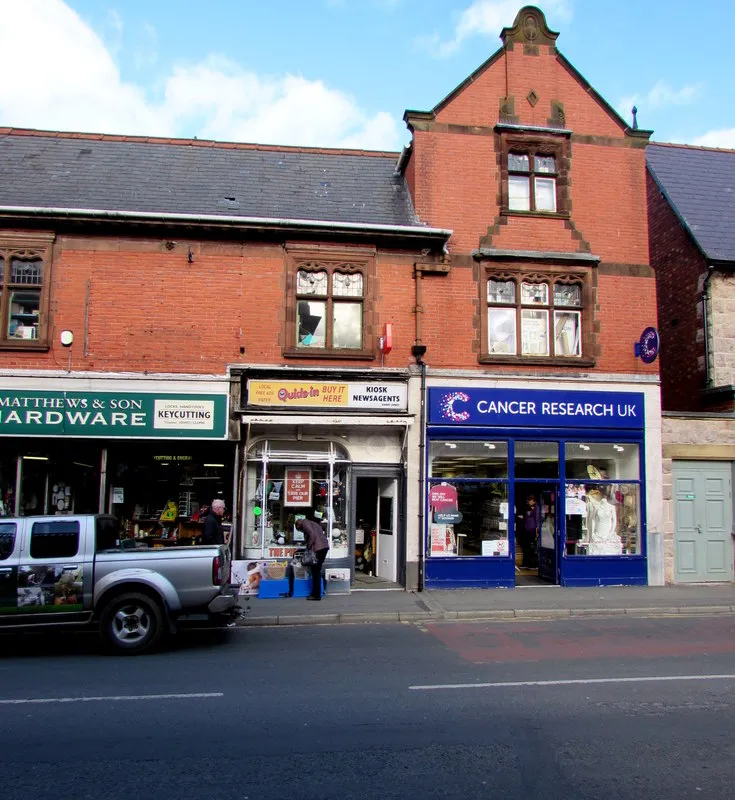
Photo: Jaggery , CC BY-SA 2.0, via Wikimedia Commons
A donation bag left at a UK charity shop is not simply a bag of clothes and crockery. It is a small transfer of trust. The donor hopes the items will be useful, the shop hopes they will sell, and the charity hopes the proceeds will support people who need help. At Aid for People, we believe that trust is strengthened when the journey behind the counter is explained clearly. This article follows what happens in the first hour after a donation arrives, and why the sorting table is one of the most important places in any local charity shop.
The first hour: reception before storage
Saturday is often the busiest day for donations. Shops may receive dozens of bags before lunch, and the first hour is rarely about putting items straight onto the shop floor. It is about reception, safety and flow. Volunteers check whether bags are dry, whether anything sharp or hazardous has been included, and whether large items need to be moved out of the doorway. A bag left outside a closed shop may be damaged by rain or taken away entirely, which is why donors are usually asked to hand goods over during opening hours.
The shop may not record every item individually. Many charities track donations in broad categories or by bag, not by counting each jumper and cup. What matters in that first hour is triage: separating clothing from homeware, books from electricals, and sellable stock from items that need specialist attention. A bag that looks quick to process at the door can take considerably longer at the table.
At the sorting table: what is checked
The sorting table is where generosity meets reality. Volunteers examine condition, completeness and likely demand. Clothing is checked for stains, missing buttons, worn soles and obvious damage. Homeware is checked for chips and missing parts. Books are checked for mildew and outdated technical information. Toys and games are checked for missing pieces and safety concerns. Electrical items may need testing or may not be accepted at all, depending on the shop's policy and local arrangements.
This is not a judgement on the donor. It is a practical assessment of what a local shop can sell to local customers. A charity shop on a high street has limited rail space, limited shelf space and limited volunteer time. Every item kept for sale displaces something else. Volunteers therefore look for goods that are clean, complete and priced to move. The phrase 'good cause' is not the same as 'good stock', and understanding that distinction helps donors make more useful gifts.
The pricing decision
Pricing is one of the least understood parts of the process. A volunteer may consider the brand, the condition, the original retail price, the season and what similar items have sold for recently. A sensible price moves stock and raises funds; an inflated price can leave an item on the rail for weeks while its value falls. In that sense, pricing is a funding decision, not an arbitrary one.
Some shops use coloured tags or rotating sales to keep stock flowing. Others rely on the experience of long-serving volunteers who know their local customers well. Neither approach is flawless, but both are attempts to balance fairness to the buyer with the charity's need to raise money. Donors who feel an item is worth more than the ticket price may be right about its sentimental value, but the shop must price for the market it actually serves.
When an item cannot be sold
Not every donation becomes stock. Items that are damp, broken, incomplete or unsafe may need to be disposed of responsibly. Textiles that cannot be sold may go to a rag-recycling merchant rather than directly to landfill, and some shops receive a small income from that route. Electrical goods may need separate recycling. Shops also face disposal costs, which is why unsuitable donations are not cost-free for the charity.
A transparent shop will be willing to explain what happens to unsold stock. Some items are reduced, some are moved to another branch, and some are recycled. Donors should not assume that every bag produces a direct cash gift for frontline services. The more honest the conversation about waste and disposal, the easier it is for supporters to donate well.
What volunteers wish donors knew
Preparation makes a measurable difference. Washing clothing before donation, emptying pockets, pairing shoes and checking that puzzles and games are complete all save volunteer time. Donors should avoid leaving bags in the rain, donating items that are heavily soiled, or including broken electricals without checking the shop's policy. For larger items, a quick phone call ahead is usually appreciated.
Gift Aid can also matter where a shop offers it, but it depends on the donor making the appropriate declaration and on the charity's procedures. The simplest rule is this: the most useful donation is not always the most sentimental one. It is the item that someone else can genuinely use, at a price they can afford, without taking up hours of volunteer time.
Why transparency behind the counter matters
A charity shop is often the public face of a charity. When a donor hands over a bag, they are entitled to a clear sense of what happens next. A shop that explains its sorting process, its pricing approach and its recycling routes is not being defensive; it is being accountable. That accountability is part of compassion in action, and transparency in every step.
So the next time you drop off a donation bag on a Saturday morning, picture the sorting table. Your bag is not a black box. It is the beginning of a practical, sometimes untidy, but carefully managed process that helps turn local generosity into funding for frontline services.