The Quiet Street Test: Five Minutes of Attention That Can Help a Neighbour
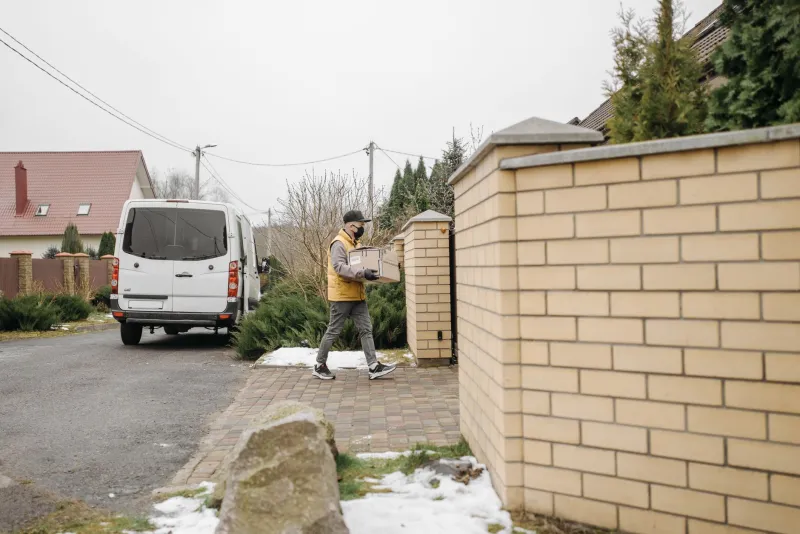
Hardship on a familiar street is rarely dramatic. It is more likely to look like a cancelled appointment, a parcel left too long in a communal hallway, or a parent who no longer lingers at the school gate. None of these signs proves that someone is struggling. Taken together, however, they can prompt a neighbour to offer a modest, dignified form of help.
The purpose of a five-minute neighbourhood audit is not surveillance. It is disciplined attention. The aim is to notice changes without drawing conclusions, to offer support without demanding a story, and to know the local routes that can help when a neighbour chooses to use them. Aid for People approaches community support in the same spirit: compassion in action, with transparency and dignity at the centre.
Start with permission, not suspicion
A useful audit begins with a simple rule: notice the street, not the person. Observe what has changed in shared spaces and public routines, then ask what might make today easier for someone. Do not compile a file, photograph doorways or discuss individual circumstances in a group chat. A neighbour who senses they are being investigated will rightly withdraw.
The most respectful starting point is ordinary contact. A greeting, a comment about the weather or a brief word at the bin store can maintain the small social threads that make streets feel safe. If those threads already exist, changes are easier to notice and support is easier to offer.
The five-minute routine
Set aside five minutes on a regular walk. The routine should feel light enough to repeat and modest enough to keep. It is not a inspection of anyone's home.
Minute one: read the shared spaces
Look at the communal areas you already pass. Are there parcels or deliveries that seem to have been left for several days? Has a shared noticeboard gone quiet, or has a normally tidy entrance become cluttered? These details may mean nothing more than a busy week. They are prompts for a friendly word, not evidence of hardship.
Minute two: notice changes in rhythm
Routines are more revealing than appearances. A neighbour who usually leaves at a set time may now be at home during the day. Someone who once walked to the shops may be relying on lifts. A family that was always early for the school run may now arrive late and leave quickly. Notice the change, then resist the urge to explain it.
Minute three: listen at the edges of conversation
At the school gate, in the shop queue or outside the community centre, listen for withdrawal rather than gossip. A person may stop joining in, decline invitations or give shorter answers. They may mention a missed appointment, a repair they cannot afford or a bill they are dreading. Do not repeat what you hear. Treat it as a confidence, even when it was said in public.
Minute four: check your own assumptions
Ask whether you are seeing hardship or simply a different way of living. A closed curtain may indicate illness, night shifts, grief or a preference for privacy. An uncollected parcel may belong to someone away for work. The audit is only useful if it keeps uncertainty intact. Assumptions turn concern into interference.
Minute five: choose one dignified next step
Decide on one low-key action. It might be a friendly hello, an offer to bring in a bin, a lift to a local appointment or a quiet mention of a nearby advice service. If you know the person well enough, you might ask whether they would like company at a Citizens Advice session or help finding a food bank referral. Ask once, accept the answer and leave the door open.
What not to do
Do not knock unannounced to ask personal questions. Do not photograph property, record number plates or share speculation online. Do not offer help you cannot sustain, and do not promise confidentiality you cannot keep. If you believe a child or an adult at risk is in immediate danger, contact the emergency services. For non-urgent safeguarding concerns, use the local council's published safeguarding route rather than trying to manage the situation alone.
Routes that can help
UK support works best when neighbours know the local map. Citizens Advice can help with benefits, debt and housing. Local councils provide welfare rights and safeguarding services. Food banks such as those in the Trussell network usually work by referral, while community fridges and Warm Welcome spaces may offer lower-threshold support. Libraries often host advice sessions and digital help. Age UK, Shelter, Samaritans, Turn2us and MoneyHelper can provide national information and onward signposting.
The neighbour's role is not to become a caseworker. It is to reduce isolation and make the next step easier to take. Sometimes that means passing on a phone number. Sometimes it means offering to sit alongside someone while they make a call. Often it means simply being a familiar face that does not disappear when things become difficult.
How Aid for People approaches community-led support
Aid for People works through the principle that local people understand local needs, but they should not have to meet them without resources or accountability. We support community-led approaches that prioritise dignity, publish clear information about what is funded and what is not, and avoid telling stories that strip people of privacy. Donors who back this work are not buying a neat narrative. They are helping to create the conditions in which neighbours can notice, offer and signpost without shame.
A quiet discipline
A five-minute audit is not a solution to poverty, isolation or the cost of living. It is a small civic habit. Done well, it makes a street more observant without making it more suspicious. It replaces guesswork with a friendly word and replaces helplessness with a known route to advice.
The test is simple: after five minutes, have you learned enough to offer one respectful action and one useful signpost? If so, you have done enough for today. Repeat it next week, keep confidences, and let the neighbour decide what happens next.