Walking Through the Door: A First-Shift Guide for UK Food Bank Volunteers
The first shift at a food bank or community kitchen can feel like walking into a room where everyone else knows the choreography. In practice, the first hour is usually an induction, not an audition. UK food aid teams are accustomed to new volunteers, and most would rather answer a question twice than have someone guess. This guide sets out what a sensible first shift looks like in 2026, with the caveat that no two projects run in exactly the same way.
Before you arrive: the practical checks
Confirm the address, arrival time and name of the shift lead. Ask about public transport, parking, step-free access and whether there is a secure place for a coat and bag. Wear comfortable clothes that can be washed, closed-toe shoes, and layers for a cold warehouse or a warm kitchen. Avoid loose jewellery and tie back long hair. Most projects provide aprons and gloves, but it is reasonable to ask.
Bring a water bottle and check whether breaks are built into the shift. Do not bring children, friends or pets unless the charity has confirmed it can accommodate them. If you are unwell, especially with a stomach bug or flu-like symptoms, tell the shift lead and stay at home; food handling and vulnerable guests make this a genuine safeguarding matter rather than mere politeness.
The first fifteen minutes: induction, not audition
Expect a sign-in, a tour of fire exits, toilets and handwashing points, and a short briefing on food hygiene, allergens, manual handling and boundaries. You may be asked to read a volunteer agreement or confirm that you understand the charity's confidentiality policy. This is a sign of a well-run project, not bureaucracy for its own sake.
Useful questions to ask at this stage include: who is the shift lead today; where should I stand; which tasks require training; what should I do if a guest becomes distressed; how does the team handle confidential information; and what is the policy on photographs and social media. The last question matters. A good project will have a clear answer, and it will usually be that volunteers do not photograph guests, parcels, lists or the inside of the building without explicit permission.
What the work actually involves
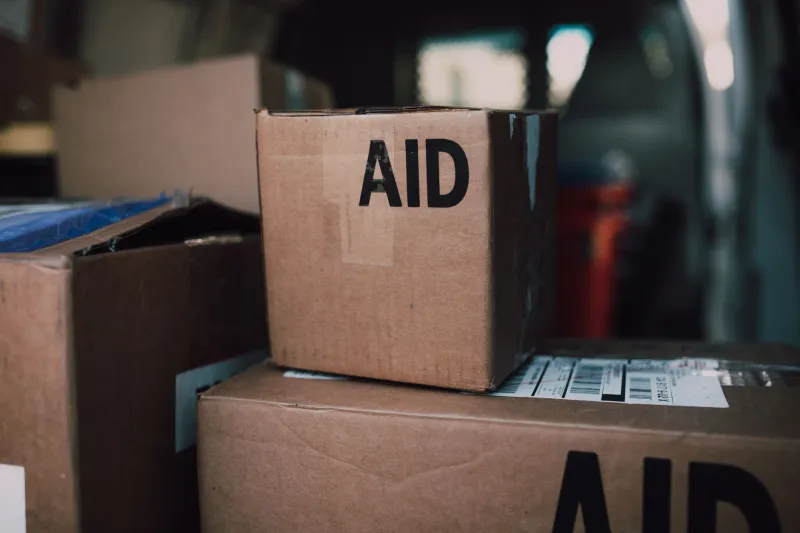
In a food bank warehouse, the first shift may involve checking dates, sorting stock, packing bags or parcels, stacking boxes and keeping walkways clear. In a community kitchen, it may involve vegetable preparation, cooking under supervision, plating, washing up and cleaning surfaces. Front-of-house roles may involve welcoming guests, making tea, listening and directing people to advice services. You are unlikely to do all of these on day one, and you should not expect to be left alone with a complex task.
Do not measure the value of the shift by how busy you feel. Some of the most useful work is quiet: wiping a table, checking a label, restocking a shelf or making sure a chair is free. Food aid is a team effort, and the person who arrives early and washes up without being asked is as much part of it as the person handing over a parcel.
How good teams protect dignity and privacy
Dignity is not an abstract value in food aid. It is built through small decisions: offering choice where possible, avoiding a public queue, keeping referral information out of sight, and not asking people to explain their circumstances in front of others. A volunteer should never ask a guest why they need help. If a guest chooses to share something, listen without probing and do not repeat it.
Privacy works in the same way. Do not take photographs, do not post about individual guests, and do not discuss names or circumstances outside the project. If someone discloses a concern about a child or an adult at risk, report it to the shift lead rather than investigating it yourself. Safeguarding procedures exist to protect people, and volunteers are not expected to become caseworkers.
Questions worth asking in your first hour
A good first shift leaves room for curiosity. Ask what a good shift looks like from the team's perspective. Ask which tasks need a second pair of eyes. Ask what to do if you find damaged or expired food, how the project decides what goes into a parcel, and how volunteers can give feedback. Ask whether there is a debrief at the end of the shift and whether expenses are available for travel. None of these questions is awkward; they show that you take the work seriously.
The end of the shift
Before you leave, check whether anything needs finishing, ask for the next available date, and be honest about how often you can commit. Overpromising helps no one. A steady monthly shift is often more useful than a burst of enthusiasm followed by silence. Thank the team, and take a moment to reflect on what you saw.
Volunteering does not require you to solve poverty in an hour. It requires you to turn up, follow the team's lead and treat people with courtesy. That is compassion in action, and it begins with the first hour.