The One-Second Gift: Reading the Small Print of Contactless Charity Boxes
Photo: User:Project Kei, CC BY 4.0, via Wikimedia Commons
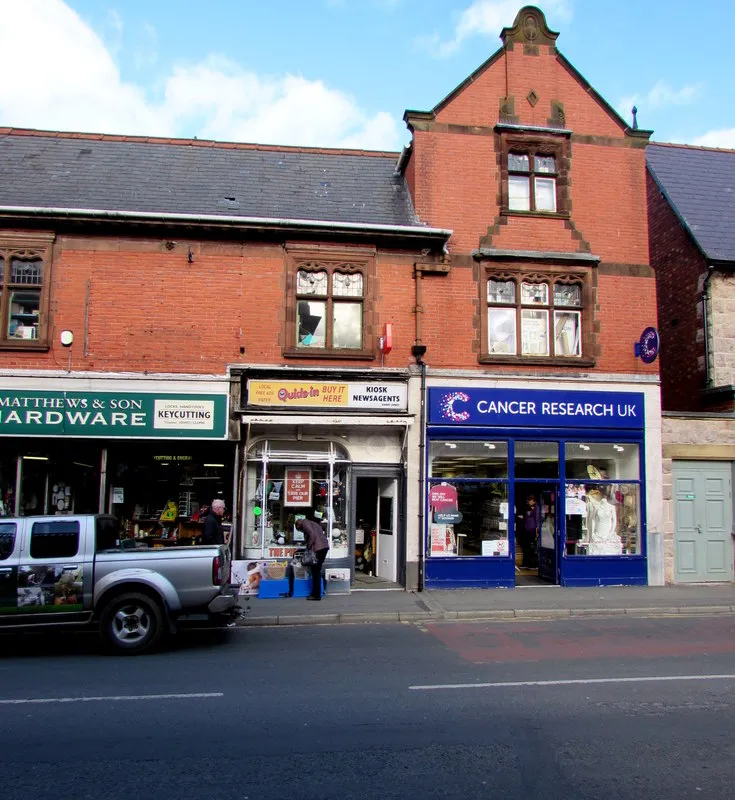
On a damp Saturday high street, a small card reader sits beside a collection tin. There is no cash in your pocket, but there is a bank card in your phone case. The gesture is simple: check the amount, tap, wait for the beep. Within seconds, a gift has been made. For UK donors, contactless charity collections have become part of ordinary giving, yet the ease of the tap can obscure a set of questions that deserve a calm answer. At Aid for People, transparency is not an extra layer added after the donation; it is part of the gift itself.
What happens between the tap and the thank you
A contactless charity reader is, in essence, a card payment terminal configured for donations. When you tap a card, phone or watch, the device reads the payment credentials and sends an authorisation request through a payment service provider. The provider checks with your bank or card issuer, and if the payment is approved, the terminal displays a confirmation. The money does not travel straight into a collecting tin. It moves through the card payment system and is settled to the charity's bank account, usually after a short delay.
Many charity readers are set to fixed amounts, such as £3, £5 or £10, so the donor does not need to enter a figure. Others allow the donor or a volunteer to choose an amount on screen. Some devices are standalone; others are paired with a tablet or smartphone. The visible difference is small, but the setup can affect how quickly the charity receives the money and what records are created. Unlike cash, a contactless gift leaves a digital trail. That is useful for reconciliation, but it also means the charity must manage fees, receipts and data properly.
Where the money goes after the beep
A contactless donation is not cost-free to process. Card schemes, payment service providers, terminal suppliers and platform providers may all take a share. Some charities pay a small percentage per transaction; others pay a fixed fee, a monthly subscription, or a combination. In some arrangements, the platform or a corporate sponsor absorbs the cost. In others, the charity bears it. None of these models is automatically wrong, but donors should be able to understand which one applies.
The practical effect is not always obvious. On a £3 gift, a fixed per-transaction fee can take a noticeable proportion. On a £20 gift, a percentage fee may matter more. A charity may therefore set suggested amounts that balance spontaneity with cost. A transparent collection will usually state whether the charity receives the full amount shown or whether processing costs are deducted. If that information is not displayed, it is reasonable to ask the volunteer or check the charity's website. A receipt, email confirmation or public statement about fees is a good sign that the collection is being run with care.
Gift Aid: the detail a tap cannot capture by itself
Gift Aid remains one of the most valuable ways UK taxpayers can support a charity. For eligible donations from UK taxpayers, charities can claim an extra 25p for every £1 given, using the basic rate of tax. But Gift Aid is not automatic on every contactless tap. It requires a valid declaration and enough information to identify the donor. A simple card tap usually does not provide a name or address.
Some contactless systems address this by inviting the donor to add an email address, complete a short online form, or scan a QR code after giving. Others may allow regular donors to register in advance. If no mechanism exists to capture a declaration and donor details, the charity may not be able to claim Gift Aid on that gift. This is not a reason to avoid contactless giving, but it is a reason to ask. A well-run collection should be able to explain whether Gift Aid is available, how the declaration is made, and what happens if a donor is not eligible. Donors should also remember that Gift Aid applies only to their own tax situation; it is not a universal top-up.
The data question behind the device
A contactless card payment does not usually share your name or address with the charity. The terminal may record the amount, time, location and device identifier, and the payment provider will process the transaction data needed to move the money. If the collection asks for an email address, that is a separate act of giving information. The charity should explain what it will do with that address, how long it will keep it, and whether it will be used for marketing.
In 2026, donors are rightly cautious about data. A charity collection should have a privacy notice available, either at the stall, on a nearby sign, or through a QR code. If a volunteer cannot answer a basic question about data, that is not necessarily a red flag, but it is a prompt to look for clearer information. Transparency in every step means being able to say what is collected and why.
Reassurance checks before you tap
Contactless giving is still giving, and the usual checks apply. Look for the charity's name and registered charity number on the device, the collection stand or the accompanying signage. In the UK, you can verify a charity through the Charity Commission for England and Wales, the Office of the Scottish Charity Regulator, or the Charity Commission for Northern Ireland, depending on where it is registered. Ask the volunteer which charity will receive the money and whether the device is owned or hired by that charity.
Check the amount on screen before you tap. A fixed amount is not a demand; you can choose a different collection or give directly through the charity's website if the suggested figure does not suit you. Ask for a receipt if one is available, or make a note of the date and amount for your own records. If something feels unclear, it is always acceptable to pause. A charity that values transparency will not mind a question.
The cashless high street and the human collection
The shift away from cash has changed the rhythm of street fundraising. Contactless readers can capture a gift when a donor has no coins, and they can reduce the admin of counting and banking cash. But they can also exclude people who prefer cash, do not use contactless cards, or simply want the familiar weight of a coin in a tin. A thoughtful charity will offer more than one way to give. The technology should support the human encounter, not replace it.
For donors, the contactless box is neither a threat nor a magic solution. It is a tool. Its value depends on how clearly it is set up, how honestly its costs are explained, and whether the charity uses it as part of a wider, accountable relationship with supporters. The one-second gift can still be a considered gift. The small print is not there to spoil the moment; it is there to help the moment mean what it says.
A short checklist for your next tap
Before you tap a contactless charity reader, confirm the charity's name and registration, check the amount, and ask whether the charity receives the full gift or pays a fee. If Gift Aid matters to you, ask how the declaration is captured. If you are asked for an email address, ask how it will be used. Take a receipt or note the details if you need a record. And give only what you are comfortable giving. Generosity does not need pressure; it needs clarity.