The Coat Pile Problem: What UK Charities Wish Goods Donors Knew
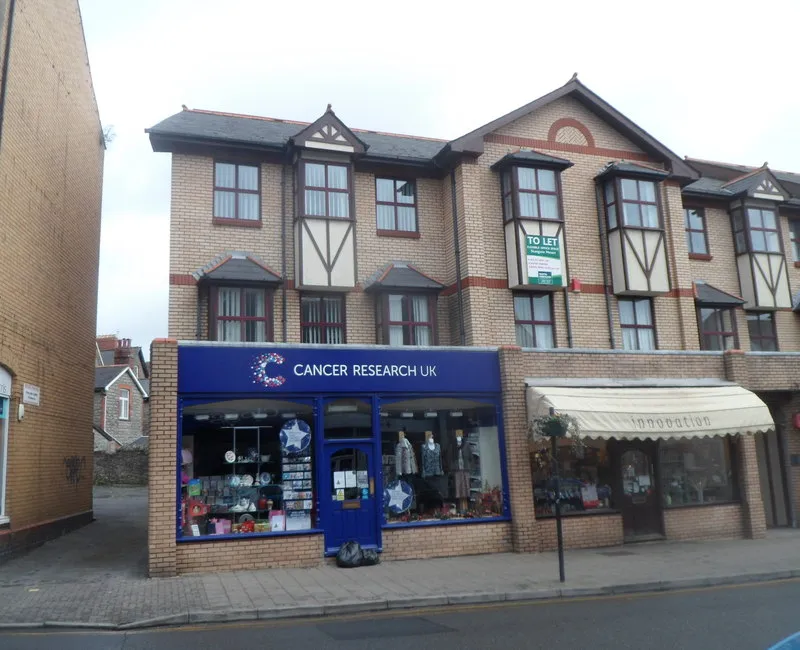
Photo: Jaggery , CC BY-SA 2.0, via Wikimedia Commons
The second-hand gift is one of the most tangible expressions of generosity. A winter coat that has kept one family warm may keep another warm. A tin of soup, a child's toy or a table can feel like a direct answer to a direct need. For UK donors, giving goods can feel more honest than giving money: you can see what you are handing over.
Yet charities often see a different side of that generosity. Behind every bag of donated clothing, box of food and piece of furniture there is a chain of sorting, storage, transport, checking and, sometimes, disposal. None of this is a reason to stop giving goods. It is a reason to give them more thoughtfully.
The generosity is real. The logistics are not free.
A charity shop may be able to sell a good-quality coat, but someone must unpack it, inspect it, price it, hang it and find space for it. A food bank may welcome tinned goods, but volunteers must check dates, sort by type and store items safely. A refugee support project may urgently need warm clothing, but it may have nowhere to keep fifty bags of mixed donations while it works out what is suitable.
These tasks are usually done by staff and volunteers who are already stretched. Storage costs money. Waste removal costs money. Time spent sorting unsuitable items is time not spent on advice, casework or direct support. In-kind donations are not free simply because no money changes hands at the door.
What UK charities can and cannot accept
Charities are not being difficult when they publish strict lists. They are often responding to safety rules, insurance requirements, limited space and the needs of the people they support. Clothing generally needs to be clean, dry and in wearable condition. Electrical goods may need safety testing. Furniture may need fire-safety labels. Toys must meet safety standards and be complete. Food must be in date, unopened and within the food bank's stated guidelines.
Some items cannot be accepted at all. Used mattresses, damaged furniture, incomplete toys, opened food and soiled clothing are common examples. Charities may also decline items that are technically usable but cannot be stored or distributed within their capacity. A local hospice shop may have space for books but not for a piano. A food bank may need pasta and tinned tomatoes but receive a mountain of baked beans.
Why storage and sorting absorb money
Storage is one of the quietest costs in charitable work. Premises are expensive, and space given to donated goods cannot be used for advice rooms, food packing or staff. Sorting also takes time. Mixed bags must be opened, checked and categorised. Some items can be sold, some can be given directly to service users, some can be recycled and some must be thrown away.
The disposal of unusable goods can carry a real financial cost. Charities may have to pay for waste collection or take items to recycling centres. That is a difficult message for donors who meant well, but it is an honest one. A charity that accepts everything can end up spending money on managing unwanted goods rather than on its charitable purpose.
When a goods donation is genuinely useful
Goods are most useful when they respond to a specific, confirmed need. A winter coat appeal that asks for adult coats in sizes medium to extra-large is different from a general request for clothing. A food bank wish list that names tinned fish, cooking oil and nappies is different from an open invitation to clear out a cupboard. A furniture project that can collect a sofa with fire-safety labels is different from a charity shop that has no collection van.
The best in-kind donations are usually clean, complete, safe and requested. They arrive at a time and place where someone can receive them. They are not a way of avoiding waste disposal or making space at home. They are a practical response to a stated need.
A practical test for donors
Before filling a bag, UK donors can ask a few simple questions. Has the charity published a current list of what it needs? Does it accept drop-offs at specific times? Are there restrictions on condition, size or safety? Would a cash donation allow the charity to buy exactly what is missing? Could the goods be sold locally and the proceeds given instead?
A phone call or a glance at the charity's website can save everyone time. It can also protect the dignity of people receiving support. Nobody wants to be offered a coat with a broken zip or a toy with missing parts. The quality of a donation matters as much as the quantity.
The case for asking first
The relationship between donor and charity works best when both sides are honest. Donors should feel able to ask what is needed. Charities should feel able to say what they cannot accept without appearing ungrateful. That conversation is not a rejection of generosity. It is a way of making generosity effective.
Cash remains the most flexible gift because it allows charities to respond to immediate needs, buy in bulk and avoid storing unwanted items. Goods remain valuable when they match a specific request. The two forms of giving are not in competition. They simply do different jobs.
A coat pile at the door can be a sign of compassion. A coat pile that has been checked, sorted and requested in advance is a sign of compassion in action. For UK donors, the difference is often a short conversation and a little planning.