The Open Ledger at the Village Hall: A Small UK Fundraiser People Can Trust
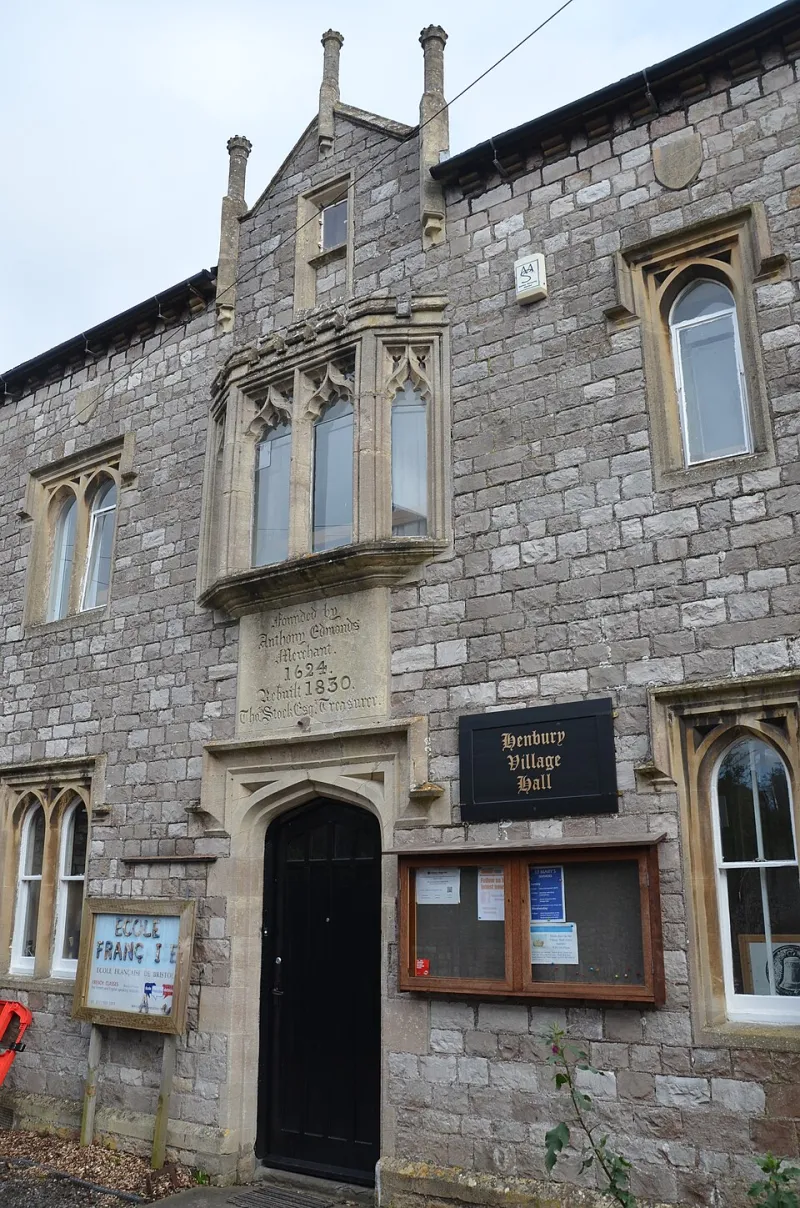
Photo: Hamburg103a, CC BY-SA 4.0, via Wikimedia Commons
A village hall fundraiser rarely begins with a grand strategy. It begins with a willing committee, a date that does not clash with another event, and a sense that the community could do with a good evening. That modest impulse is worth protecting. A quiz night, coffee morning or community supper can raise useful money for a local cause, but it can also expose the organisers to avoidable confusion if costs, food safety and cash handling are left to the last minute.
The aim is not to turn neighbours into accountants. It is to make the fundraiser easy to trust. Transparency is part of hospitality. When people can see what the ticket pays for and where the money goes, they relax into the evening. The warm room and the open ledger belong together.
Start with the room, not the raffle
Begin with the practical shape of the event. How many people can the hall comfortably hold? Is there heating, a kitchen, accessible toilets and enough parking? Does the booking include insurance, or will the organisers need separate cover? A hall that is cheap but cold, cramped or poorly equipped can cost more in goodwill than it saves in hire fees.
Set a realistic capacity and decide whether tickets will be sold in advance or on the door. Advance tickets help with catering and give the organisers a clearer idea of the evening. Door sales keep the event open to passers-by, but they make food and seating harder to plan. Either approach can work. The important thing is to choose deliberately and tell people clearly.
It also helps to write down the purpose of the fundraiser before anything is booked. Is the money for a named local cause, a charity appeal or the hall itself? A simple statement of purpose will guide later decisions about pricing, publicity and the final total. It will also help answer the question that every donor is entitled to ask: what is this for?
Price the ticket with the costs in view
Ticket pricing should begin with a rough budget, not a guess. List the likely costs: hall hire, heating, insurance, food, refreshments, printing, decorations, raffle prizes and any licences or permissions that apply. Add a small contingency for the things that always cost a little more than expected. Then decide what the event needs to raise and what a fair ticket price will bear.
A ticket does not have to cover every cost. Some organisers prefer to cover basic expenses and treat the rest as a donation. Others build the whole budget into the price. Both models can be honest if they are explained. What matters is that the public is not left with the impression that the whole ticket price is a gift when part of it is paying for the hall and the food.
Consider a simple price structure. A standard ticket, a reduced price for children or unwaged guests, and a clear invitation to donate more if people wish. Avoid complicated tiers that require a spreadsheet at the door. The best pricing is easy to explain in one sentence and easy to record in one line.
Food that is simple and safe
Food is often the heart of a community fundraiser, and it is also where small events can come unstuck. Keep the menu modest. A soup supper, a cake stall or a cold buffet is easier to manage than a full three-course meal. Choose dishes that can be prepared safely, stored at the right temperature and served without a long queue.
Ask volunteers to follow basic food hygiene: wash hands, keep raw and cooked food separate, chill what needs chilling and keep hot food hot. Label dishes with allergens where possible, and keep a written list of ingredients for anything homemade. If the event is open to the public, check whether the local council requires food business registration or has specific advice for community events. The rules are not there to spoil the evening. They are there to protect the people who come.
A warm room also needs air. Do not overcrowd the hall, and make sure there is space for people to move safely. Keep fire exits clear. If children are present, think about hot drinks, trailing cables and the serving area. None of this needs to be heavy-handed. A short checklist before the doors open is enough.
Cash, card and the two-person rule
Money is the area where trust is most easily strained. Decide before the event how payments will be taken. Cash is simple, but it needs a float, a secure tin and a clear record. Card payments are convenient, but they involve fees and sometimes a poor signal in older halls. A combination can work if the organisers are organised.
Use a receipt book or a simple numbered sheet for cash sales. Count the takings with two people present, and record the total before the money leaves the building. Keep the float separate from the proceeds. Bank the money promptly rather than leaving it in a volunteer's kitchen for a week. If expenses are paid in cash on the night, keep receipts and note them against the total. These habits are not a sign of distrust. They protect volunteers from suspicion and make the final account easier to produce.
Online donations and ticket payments should be recorded in the same way. Note the platform fee if there is one, and keep a simple summary of what came in and what went out. The goal is not a perfect set of charity accounts. It is a clear record that can be understood by someone who was not in the room.
Tell the story of the money
After the event, publish a short account. It does not need to be elaborate. A single page can show the money taken, the costs paid and the amount raised. For example, the organisers might report that the evening brought in a certain sum, that the hall, food and printing cost a certain amount, and that the balance was passed to the named cause. If there was a raffle or a collection, show that separately.
Be honest about the small things. If a donor covered the printing, say so. If a volunteer paid for ingredients and was reimbursed, record it. If the final total is lower than hoped, say that too. A community that is told the truth about a modest result is more likely to support the next event than one that is left to guess.
Publish the total in the same places where the event was advertised: the parish noticeboard, the village social media group, the hall newsletter or the local shop window. Thank the volunteers, the hall committee and the people who bought tickets. Transparency is not only a financial exercise. It is a way of recognising that many people contributed to the evening.
The thank-you that closes the loop
A good fundraiser ends with a clear thank-you and a clear destination for the money. If the funds are going to a registered charity, name it. If they are going to a local cause, explain how the money will be used and when. If there will be a follow-up event, say so. People give more readily when they can see the shape of the story after the last cup is washed.
The village hall ledger does not need to be intimidating. It can be a notebook, a spreadsheet or a single sheet pinned to the noticeboard. What matters is that it exists, that it is accurate and that it is shared. A warm room, a fair ticket and an open book are a strong combination. They allow neighbours to enjoy the evening and to trust the total in the morning.